
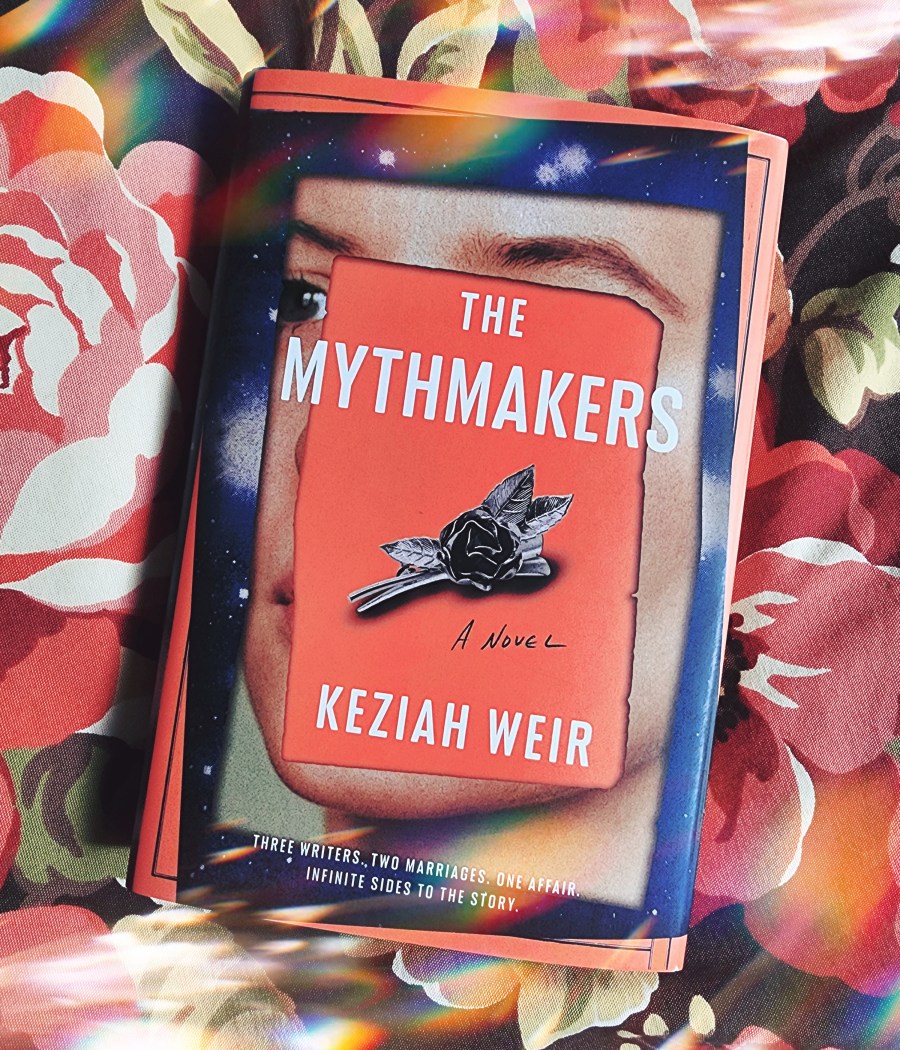

After a poorly researched article lands her in the public eye for the wrong reasons, Sal is without a job and left facing her unhappy marriage and dying career. When she reads an article about a writer she met briefly years before, she recognizes their interaction in his posthumously printed manuscript excerpt. She decides to find out why she was the muse for this piece, and is soon embroiled in the life of his astronomer widow, Moira. The story spools back to take in the past, their marriage and their daughter, other people who knew him, as Sal starts to sink into life in his home town. Why is Sal being drawn into Moira’s world, and can she get her hands on the rest of the writers manuscript?
The author is Senior Editor at Vanity Fair, and she has a quite extensive list of publications she has written for. This is her debut novel, and it’s not bad, overall.
While the book is kind of about how we make myths around authors after their deaths, and the layers of our own constructed lives, the hook that this book presents us with initially is that Sal remembers meeting this famous author and we want to know why he wrote about that meeting. Is she his muse? It’s why I was drawn to this book. However, the book isn’t really about that and that plot seems to really go nowhere. It’s more of a meadering story about navel gazing literary types, and the stakes for them are quite low because there’s not really any danger or imperative.
It’s odd, I kind of liked and didn’t like this one. It’s written confidently and competently, and the characters all feel well delineated and real. There’s a kind of retro, cozy atmosphere to the whole thing for me, perhaps because it’s set in New York and Massachusetts, in the homes of writers and in literary circles and small places. There’s a dreamy quality to it sometimes, as Sal avoids her real life and her marriage problems. But I didn’t like Sal at all after a while. She’s pretty mean to her husband for no reason and acts more like a spoiled teenager than an adult. There’s no consequences to her actions really and I found her quite strange and unethical. Moira’s parts of the story became more interesting to me, but then they don’t really go anywhere. The book never really goes anywhere. There’s not really a plot, just a long character study. I kept wondering, what is this book really about? And I didn’t really care about any of the characters because nothing was really happening with them.
It all felt a bit like literary posturing to me after a while, and I’m not sure if this was intentional by the author or not. I got a bit bored. The end felt soft and a bit disappointing. I think character study type books are not for me, though I would read this authors future work. There’s definitely something there.
Read It If: This one will please more literary fiction types and those who love sinking into a character study. If you were hooked in by the mystery of the manuscript, you may not love this one.
Thank you to Penguin Canada for the copy of this book for review.
 CravenWild