

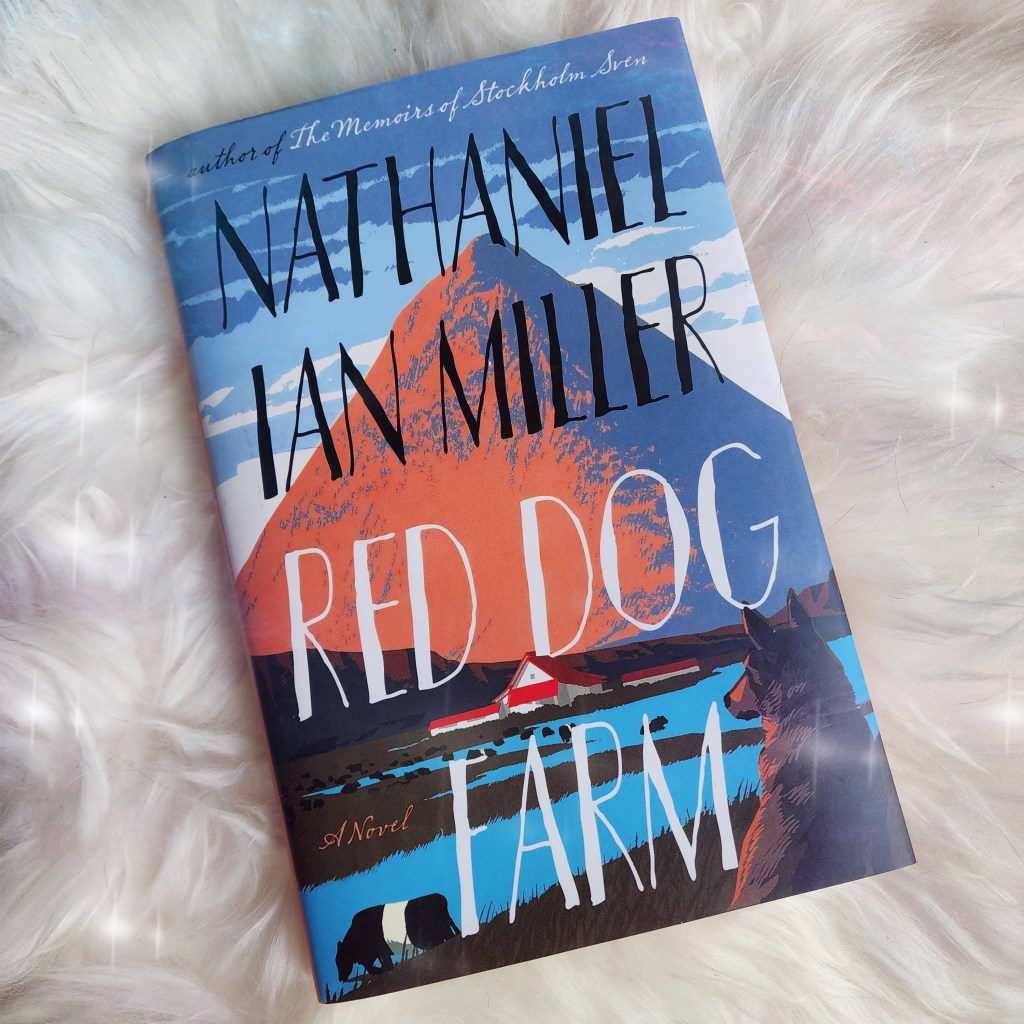
Orri, the 19 year old son of a farmer in Iceland, decides to take a break from his University course, and returns home to his parents farm. Over the course of the year, he finds direction through his sense of capability as he helps his father farming, through his friendship with a local farmers daughter, and through a relationship with a girl he meets online. As his year draws to a close, he realises that his mother and father have secrets, and he comes to know them as adults, not just his parents.
This book is the second novel from the author of The Memoirs of Stockholm Sven which I previously reviewed (HERE), and while that was historical fiction, and this one is more a coming of age story, both are quiet, introspective stories about man versus landscape, and about finding meaning in life, and both contain lonely, introverted characters. I really liked Stockholm Sven, and I was happy to read another book from this author.
Perhaps the main thing about this book is that it’s about farms and farming. And not in a meet cute kind of way, but in a more raw and real way. There are some things in this book that you might not like if you’re not used to farm life, like a cow having to be put down, and things of that nature. Farming is often heart breaking, and this book details that. The book also lingers and meditates on the details of farming in Iceland. You’ll find out about ditches, irrigation, and how hay has to be harvested differently there because of the rain, the various diseases in cattle and why pasture isn’t ideal for horses. There’s also a lot of talk about mud in this book. It’s about the realism of farms and why it’s so soul crushing for Pabbi, Orri’s father, and also gives you that sense of why when he does a good job at something, he feels so capable and happy. I feel that because of this, you can either sink into the narrative, and it’s not a long book, and soak in the story world, or you might find that this book is a little dry and informational for you in places.
The conflict in the book comes from the secrets and problems within, in the characters facing themselves and finding what they need to move forward, and how that puts others around them in conflict with what they need or want. Orri’s mother, for example, has an academic career and does not love country life, but she accepts it because her husband does love it. Pabbi seems increasingly crushed and depressed by farming, and yet it’s the thing that’s given him meaning til this point. Orri stumbled into university because it made sense, but what does he really want? His relationship with Mihan is lovely, and the conflict comes from him being lost and not knowing what he’s doing next. She knows she wants to be close to her family and finish studying, so they sometimes don’t gel. I like that there’s no rush to the airport at the end to stop her leaving, there’s no big family secret, in a way, but rather people finding their way and trying to be fulfilled. Growing.
Something that came across strongly for me as a sort of moral of this book, maybe unofficially, is that the things around you can hold dangers that our being accustomed to them makes us forget or be complacent about. And usually we’ll make the worst decisions about those things when we’re rushed or tired or frustrated. And this is especially true on a farm. A decision to try and move animals quickly, or fix something quickly without turning a machine off, or forgetting how dangerous and huge cattle can be because it’s your own cow whose head you were scratching earlier that morning, are all things that can end in injury, which threatens the amount of work you can get done and whether you’ll stay afloat, or an accident that can end in death. It’s something to think about in everyday life too. How close we are to life and death.
Either way, this is a solid follow up to the authors previous book. I think I did like that one a little better than this one, but it’s still a good read. It’s got the same quiet quality and introspective charm, and I liked the story and most of the characters here.
Read It If: you liked the authors previous book, you’ll like this one, or if you like a literary fiction and stories about humanity and land. A simple story, a little dry in places, but a nice book with a dog in it.
Thank you to HBG Canada for the copy of this book for review.
 CravenWild